Sunday, September 21, 2014

A Diet For All

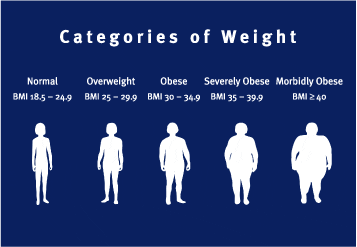
It is important to maintain a healthy body weight throughout life.  Since no one is exactly the same a diet must be able to let the person acquire adequate amounts of nutrients, vitamins, and minerals, while also limiting being underweight, overweight, or obese.  The body mass index (BMI) can be used to measure which category a person falls into (CDC, 2014).

(The Fashionable Housewife, n.d.)
 

Underweight

Underweight people have trouble recovering from operations, fighting illness, increased risk of bone fractures, and do not have adequate storage's of essential nutrients (Sizer & Whitney, 2013).  Consuming enough calories and choosing whole foods is important to a healthy body (Sizer & Whitney, 2013).  Additionally, exercising may increase your appetite (Mayo Clinic, 2014).

Overweight and Obese

There are numerous health issues that are correlated with a person being overweight and obese  (Sizer & Whitney, 2013).  These include diabetes, cardiovascular disease, stroke, hypertension, and cancer to name a few (Sizer & Whitney, 2013).


Preventative Measures for a Successful and Healthy Body Weight

There are three aspects to consider for a health body, consuming food must be measured to ensure proper caloric intake, everything in moderation, and plenty of exercise (Sizer & Whitney, 2013).  Little changes in habits such as simply taking the stairs when available will make a tremendous difference in the long term.  A diet means just that.  It is the meaning of the food that is consumed.  It does not need to be a trendy diet plan and no gym membership is needed (although some instances may require a gym membership for access to a pool for low impact exercise).  The pyramid below is also a great tool to begin and maintain a healthy diet.
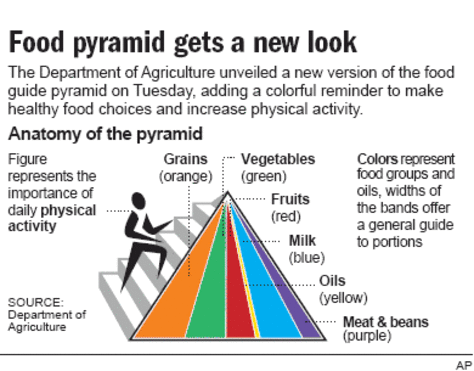
(Lempert, 2005)


References:

CDC (2014).  Adult bmi calculator: english.  Retrieved on September 21, 2014 from

 Lempert, P, (2005).  The new food pyramid: what the stripes mean.  Retrieved on September 21,       
          2014 from http://www.today.com/id/7562220/ns/today-today_food/t/new-food-pyramid-
           
             what-stripes-mean/#.VB9jqhYfJSk
 Mayo Clinic (2014).  What's a good way to gain weight if you're underweight? Retrieved on
Sizer, F. & Whitney, E. (2013).  Nutrition: Concepts and Controversies (13th ed.).  Mason, OH:
Cengage Learning.
Texasmama 12 (2012).  Prevention of underweight, overweight, and obesity.  Retrieved on
The Fashionable House Wife (n.d.).  Is bmi really that important?  Retrieved on September 21,


Essential Macro and Micro-nutrients and You

Macro-nutrients

Macro-nutrients include carbohydrates, protein, fat, fiber, and water (CDC, 2014).  Foods that include these ingredients provide energy for the body (Sizer & Whitney, 2013).

Carbohydrates

Carbohydrates are a good source of glucose which is needed for body functions and physical activity (Harvard School of Public Health Nutrition Source, 2014a).  However, not all carbohydrates are created equal.  According to the Harvard School of Public Health Nutrition Source (2014a), carbohydrates can be separated into two fields, good and bad,
 
Good
  • whole grains
  • fruits
  • beans
  • vegetables
Bad
  • processed foods and breads
  • soda 
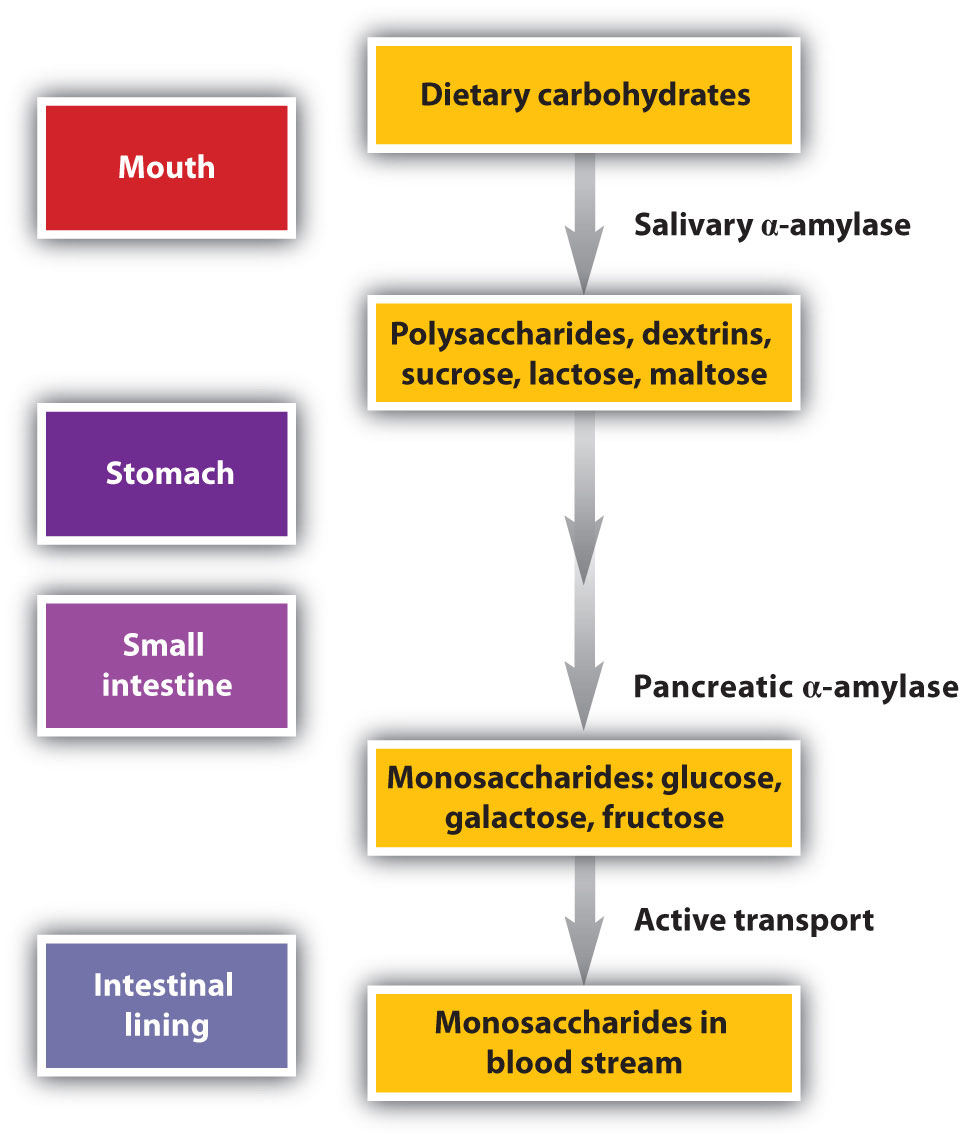
The figure below demonstrates how carbohydrates are digested and absorbed into the body. 

(Ball, Hill, & Scott, 2011)


Protein

Much of our body is made of protein so it is no surprise that consuming enough of it is essential to a healthy body (Harvard School of Public Health Nutrition Source, 2014b).  The recommended daily allowance is 46 grams for adult women and 56 grams for adult men (Harvard School of Public Health Nutrition Source, 2014b). Choosing lean meats provides adequate nutrition without increased levels of saturated fat and sodium (Harvard School of Public Health Nutrition Source, 2014b).


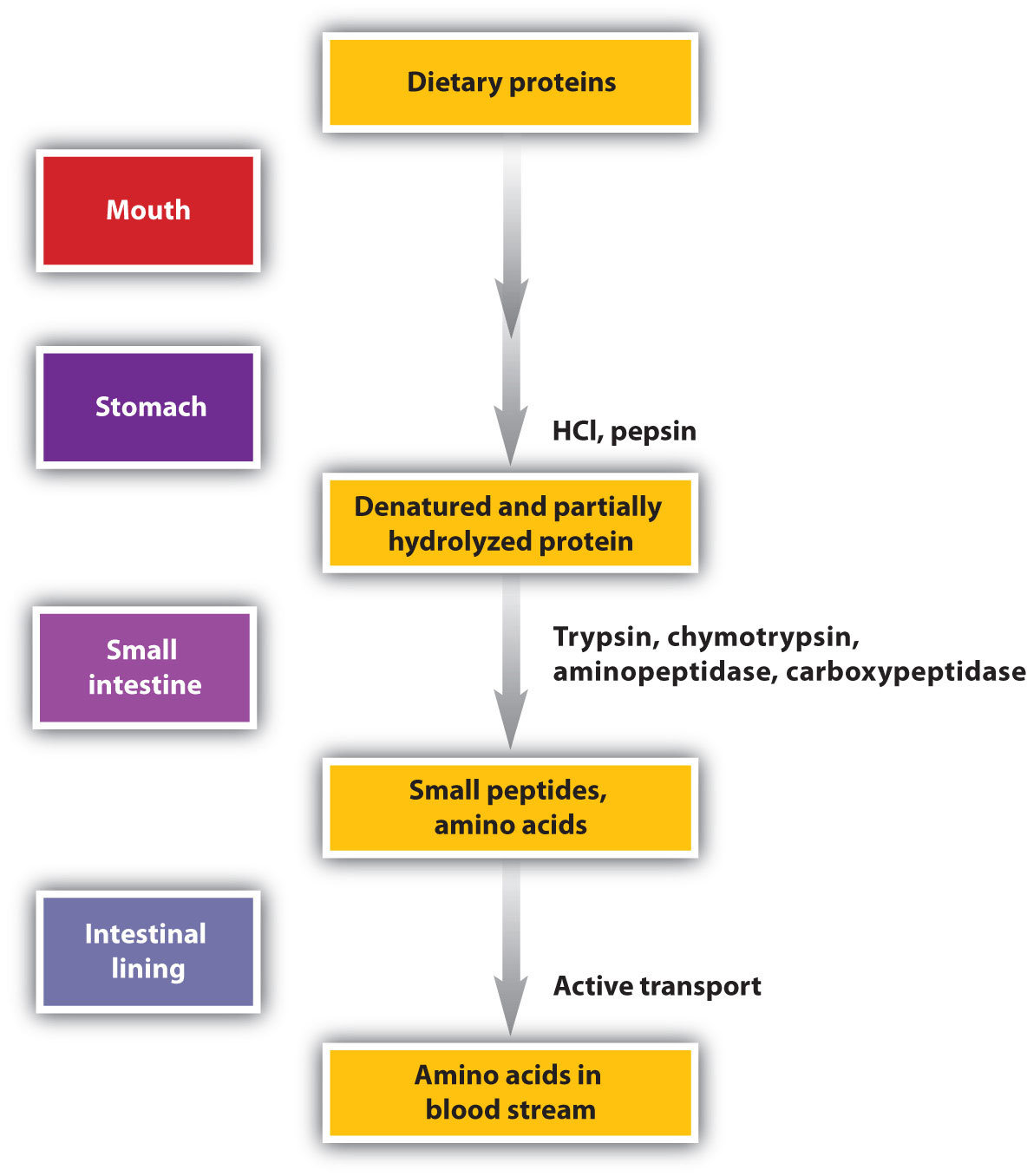
The figure below demonstrates how proteins are digested and absorbed into the body. 

(Ball, Hill, & Scott, 2011)
    

Fat

Fat contains twice the amount of calories than carbohydrates and protein and helps the body absorb vitamins (NIH, 2014).

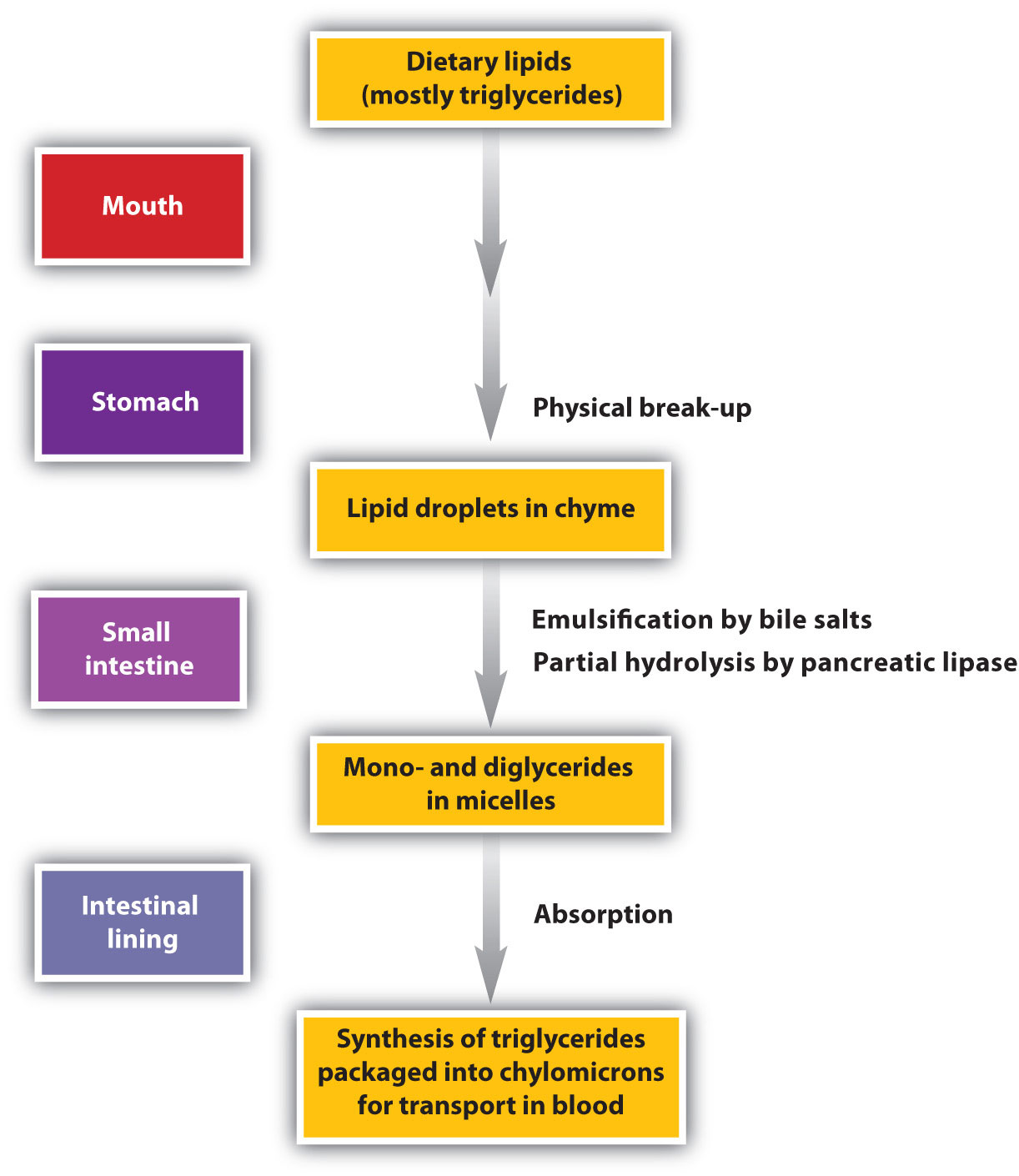
The figure below demonstrates how fat is digested and absorbed by the body.

(Ball, Hill, & Scott, 2011)

   Micro-nutrients

Unlike macro-nutrients, micro-nutrients are only needed in small amounts but are vital to a healthy body (WHO, 2014).  These include iron, iodine, and vitamin A (WHO, 2014).


References:
Ball, D.W., Hill, J.W., and Scott, R.J. (2011).  Introduction to chemistry: general, organic, and
CDC (2014).  Macronutrients.  Retrieved on September 21, 2014 from
Harvard School of Public Health Nutrition Source (2014a). Carbohydrates.  Retrieved on
Harvard School of Public Health Nutrition Source (2014b).  Protein.  Retrieved on September
NIH (2014).  Dietary fats.  Retrieved on September 21, 2014 from
Sizer, F. & Whitney, E. (2013).  Nutrition: Concepts and Controversies (13th ed.).  Mason, OH:
Cengage Learning.
WHO (2014).  Micronutrients.  Retrieved on September 21, 2014 from
 

The Difficulty of Eating a Healthy Diet in the Modern World

Like many Americans, our lives are often over scheduled with work and other life to do's.  If eating healthy was a player on a football team it would be sitting on the bench often.  Why? Good question!  There are many factors that can lead to unhealthy eating such as convenience, traveling, tastes, habits and cost (Sizer & Whitney, 2013).  According to Sizer & Whitney (2013), there are six aspects to eating healthy,
  • certain foods are eaten regularly
  • they provide adequate nutrition
  • are balanced
  • are within calorie requirements
  • are consumed in moderation
  • offer variety

As Sizer and Whitney (2013) suggest, eating healthy can be obtained by eating the following natural foods,
  • whole grains
  • vegetables
  • fruits
  • nuts
  • unsaturated fats
  • lean meats 
  • low fat dairy
  • soy
  • legumes
The most important aspect of eating healthy is having the mindset to want to eat healthy on a regular basis (Sizer & Whitney, 2013). Make time each week to plan and make all three meals and healthy snack options.  Using prepackaged whole foods such as frozen vegetables and natural lean meats can be very beneficial to preparing a healthy meal quickly.  Products such as the Purdue Short Cuts are all natural and provide people with an easy way to make a meal (Purdue, 2014).

Football Season and the Holidays

It is easy to see how we can get caught up in life's day to day activities and sometimes feel obligated to indulge and even overindulge in food.  Social events often further encourage over eating.  While in the vicinity of junk foods such as chips, dips, and anything that ends in o's, serve yourself on a small plate if possible and limit to one serving size, or handful (Sizer & Whitney, 2013).  Moderating alcohol, sugary, and salty foods is beneficial to your health as well (Sizer & Whitney, 2013).  Just remember, it is OK to have a piece of grandma's cheese cake at Thanksgiving.  Moderation is key!   
(Skin Sheen, 2014)

    Keys for Success

According to Sizer and Whitney (2013) and the CDC (2011),

Do's
  • always bring snacks
  • drink plenty of water
  • preplan meals
  • make meals ahead of time
  • substitute bad foods for good foods (carrots instead of chips)
  • treat yourself in moderation
  • measure portions
  • use smaller plates and glasses
  • eat slower
Don't
  • overeat
  • eat from container or bag
  • eat while doing sedentary activities
  • make radical and sudden diet changes
  • eat when not hungry
Become aware of the triggers that result in the behaviors that cause eating bad foods and work towards changing these to habits of eating good foods (CDC, 2011).  The choice is yours!
(R-Sensitive Life, 2013).


References:
CDC (2011).  Healthy weight - it's not a diet, it's a lifestyle! Retrieved on September 21, 2014
Purdue (2014).  Products. Purdue short cuts chicken and turkey.  Retrieved on September 21,
R-Sensitive Life (2013).  Poison or medicine? the choice is yours.  Retrieved on September 21,
Sizer, F. & Whitney, E. (2013).  Nutrition: Concepts and Controversies (13th ed.).  Mason, OH:
Cengage Learning.
Skin Sheen (2014).  You Are What You Eat. Retrieved on September 21,